衡水澳宏特殊ガラス製造有限公司
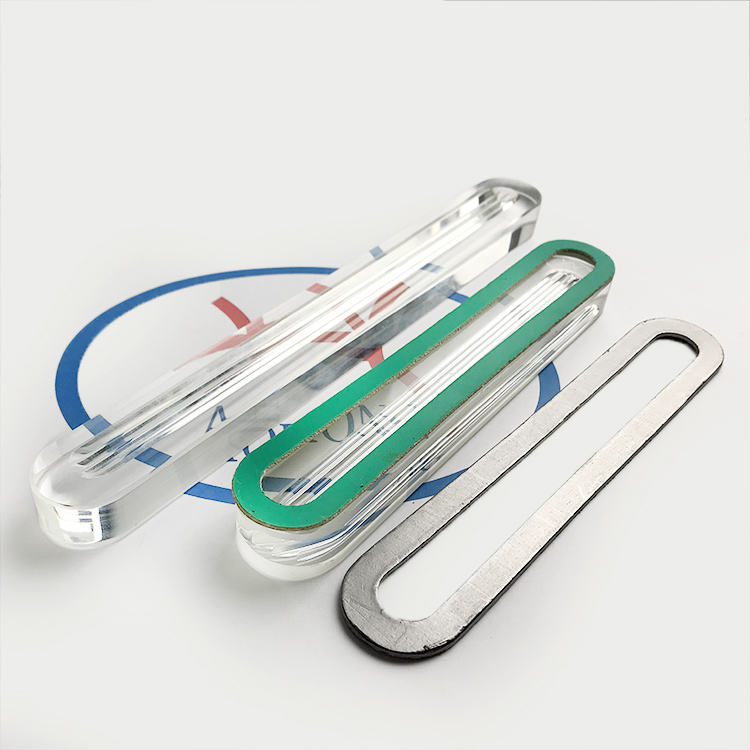
レベルゲージ ガラスとホウケイ酸サイトグラス ディーゼル燃料タンク反射

レベルゲージ ガラスとホウケイ酸サイトグラス ディーゼル燃料タンク反射

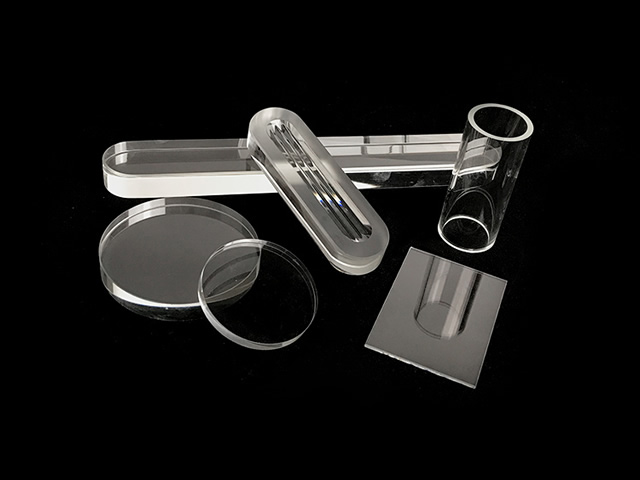
Our Level Gauge Glass and Borosilicate Sight Glass for diesel fuel tanks and industrial applications are precision-engineered to provide accurate and reliable fluid level monitoring. These components are designed with advanced materials and manufacturing processes to meet the demands of harsh environments, ensuring long-term durability and optimal performance. Reflex Level Gauge Glass: Crafted from high-quality borosilicate glass and aluminosilicate glass, our reflex level gauge glass features a series of grooves on the side of the glass facing the medium, typically with 3 or 4 grooves. These grooves enhance the clarity of the liquid level reading, making it easier to monitor fluid levels accurately. The reflex design improves visibility by reflecting […]

レベルゲージ ガラスとホウケイ酸サイトグラス ディーゼル燃料タンク反射 続きを読む »
高品質のゲージガラス製品の利点は何ですか?

Gauge glass products are essential components used in various industrial applications to provide direct visual indication of liquid levels within tanks, boilers, and pressure vessels. They play a crucial role in ensuring safe and efficient operations. Below are the key advantages of using gauge glass products: Direct Visual Monitoring: Immediate Observation: Gauge glasses allow operators to directly observe the liquid level, providing real-time information without the need for electronic sensors. Simplicity: The straightforward design eliminates complexities, making it easy to read and interpret fluid levels. High Temperature and Pressure Resistance: Durable Materials: Made from robust materials like borosilicate or quartz glass, they can withstand extreme temperatures and pressures common in industrial environments. Safety

高品質のゲージガラス製品の利点は何ですか? 続きを読む »

ホウケイ酸ゲージガラスとアルミニウム・シリコンガラスの違いは何ですか?

Borosilicate gauge glass and aluminosilicate glass differ in their manufacturing processes, pricing, and specifications Borosilicate Gauge Glass and Aluminosilicate (Aluminium Silicon) Glass are both types of gauge glass used in various applications. Both types offer unique advantages, with borosilicate glass offering superior thermal resistance, and aluminosilicate glass offering superior hardness and scratch resistance. Here’s different in terms of manufacturing process, applications, price, and specifications: Manufacturing Process: Borosilicate Glass: This type of glass is made by adding boron to the traditional glassmaking mix of silicate sand, soda, and ground limestone. During the manufacturing process, the ingredients are heated until they melt into a uniform mixture. Once the mixture cools, it forms

ホウケイ酸ゲージガラスとアルミニウム・シリコンガラスの違いは何ですか? 続きを読む »

DIN 7081に準拠したドイツ規格のレベルゲージガラス

Sight Glass According to German Standard DIN 7081 The DIN 7081 standard is a German standard that outlines the specifications for sight glass in regular service. This standard specifies the properties and technical delivery conditions of heat-resistant borosilicate glass. Here are a few key points related to DIN 7081: Material: According to DIN 7081, the glass used in sight glass devices should be made of borosilicate, a type of glass known for its high resistance to heat and chemicals. Temperature range: The DIN 7081 standard specifies that the borosilicate glass used should withstand a temperature range of 0 degrees Celsius to 300 degrees Celsius. This makes it suitable for use

DIN 7081に準拠したドイツ規格のレベルゲージガラス 続きを読む »

DIN 7080に準拠したホウケイ酸サイトグラス

Borosilicate Glass according to DIN 7080, Level Gauge Glass German Standard According to DIN 7080   The DIN 7080 standard is a German standard that sets the specifications for circular sight glasses in regular service. Like DIN 7081, DIN 7080 also specifies the properties and technical delivery conditions for these sight glass. Here are some main points about the DIN 7080 standard: Material: DIN 7080 specifies that sight glasses should be made from borosilicate glass. This type of glass is renowned for its excellent resistance to thermal and chemical stress, making it ideal for industrial applications. Temperature Resistance: Just like DIN 7081, this standard also states that the borosilicate glass

DIN 7080に準拠したホウケイ酸サイトグラス 続きを読む »

ISO9001-2015品質マネジメントシステムによるゲージガラス製造

The ISO 9001:2015 quality management system governs gauge glass production by mandating requirements including raw material traceability and more. The ISO 9001:2015 is an international standard for quality management systems that can be applied to any organization, regardless of its type or size, or the products and services it provides. It sets the criteria for a quality management system and is based on a number of quality management principles including a strong customer focus, the involvement of top management, a process approach, and continual improvement. These standards provide guidance and tools for organizations that want to ensure that their products and services consistently meet customers’ requirements and that quality is

ISO9001-2015品質マネジメントシステムによるゲージガラス製造 続きを読む »

工業用ボイラー

産業用ボイラーやタンクの水位検知用ソリューション

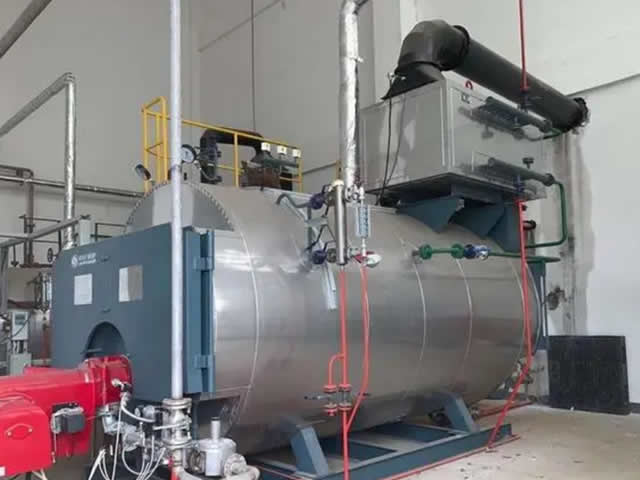
Gauge glass applications and innovative solutions for detecting water levels in boilers. As a leading manufacturer in the industry, AOHONG Company has revolutionized gauge glass applications, in detecting water levels in boilers. The company’s gauge glasses are constructed from borosilicate and aluminosilicate glass. These materials, renowned for their durability and resistance to temperature fluctuations, make the gauge glasses perfect for high-temperature, high-pressure environments typical of boiler systems. A unique feature of AOHONG’s gauge glasses is the grooves etched onto the side of the glass surface facing the medium. These grooves significantly enhance the clarity of the readings, ensuring operators can accurately monitor and manage water levels in boilers. Withstanding up

産業用ボイラーやタンクの水位検知用ソリューション 続きを読む »

WHAT'S THE DIFFERENCE BETWEEN SIGHT GLASS AND GAUGE GLASS

サイトグラスとゲージグラスの違いは?

What is the difference use between sight glass and gauge glass? Sight glasses and gauge glasses, while similar, are designed for different purposes and are used in distinct applications. Gauge Glass: A gauge glass is primarily used in boilers to visually display the boiler’s water level. The gauge glass is typically a level gauge that is connected to the boiler in two places: at the top and bottom. The water inside the boiler will settle at the same height as in the gauge glass, providing an accurate depiction of the water level. They are essential for safe boiler operation, allowing operators to add or reduce water when necessary. Gauge glasses

サイトグラスとゲージグラスの違いは? 続きを読む »

ガラス用ガスケット

水位計ガラスの一般的な使用方法と水位計の予備品

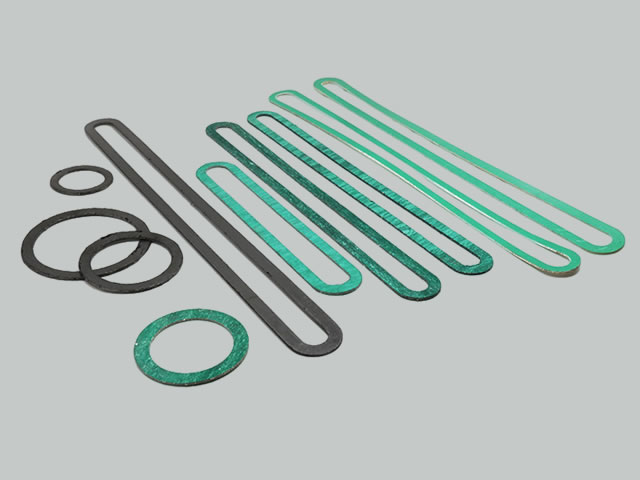
What is the most common use of Water Level Gauge glass, what are the most common spares for level gauge? Water Level Gauge Glass: The most common use of water level gauge glass is in steam boilers. In this context, the gauge glass serves as a crucial component of a steam boiler’s water level control system. Its function is to provide a visual means for the operator to monitor and verify the actual water level in the boiler system. This level gauge is connected to the boiler at two points: the top and the bottom. The water inside the boiler will settle at the same height as in the gauge

水位計ガラスの一般的な使用方法と水位計の予備品 続きを読む »

リフレックス・ゲージ・ガラスと透明ゲージ・ガラスの用途の違いを比較する

Compare the difference in application between Reflex gauge glass and Transparent gauge glass AOHONG Company through the development of reflex and transparent gauge glasses with its innovative approach, manufactures both types to cater to a wide range of industrial needs. Reflex gauge glasses are favored for their easy readability in moderate conditions, transparent gauge glasses offer direct observation and are preferred in more extreme environments. Each type serves different applications based on the unique advantages they offer. Reflex Gauge Glass: The primary feature of reflex gauge glass is the presence of grooves on the side of the glass that faces the medium being measured. These grooves refract light, giving the

リフレックス・ゲージ・ガラスと透明ゲージ・ガラスの用途の違いを比較する 続きを読む »

トップに戻る

お見積もり